Showing posts with label microsort IUI. Show all posts

Tuesday, July 8, 2014

North Cyprus IVF Center - Gender (Sex) Selection Program


Because of some family balancing purposes or in order to prevent some sex-related genetic diseases, some couples would like to select the sex of their unborn child. At NorthCyprus IVF Center, we can legally offer the opportunity of gender selection treatment to such couples.
Identification of the right treatment method for gender selection depends on some below mentioned factors;

1) Age of the female patient: Based on the fact that, with age the ovarian reserves tend to diminish while genetic problems become more common, the age of the female partner is very important.

2) Semen analysis results for the male patient: MicroSort is one of a number of gender selection alternatives offered at North Cyprus IVF Center. Simply put, it is a sperm sorting technology that can be used for patients whose sperm concentration is more than 70 million/ml.

3) Hormone levels for the female patient: As they reflect the level of ovarian reserves and the quality of oocytes in the reserves, this piece of information helps us to get a more effective assessment of your needs and requirements to provide best suitable method of treatment.

Based on aforementioned results, we will be able to identify the right mode of treatment that best suits you. If you need any further assistance on tests and interpretation, please visit our "Male and Female Testing" section. Similarly, you may find answers to many questions about our gender selection program in the "Frequently Asked Gender Selection Questions" section.

We offer Gender Selection in 4 alternative methods at North Cyprus IVF Center;

1) MicroSort IUI for Gender Selection
This method is mostly suitable for fertile couples in their 20s because, a well inacted ovarian reserve, as well as a satisfactory sperm count, concentration, motility and morphology is required. This method is performed very similar to regular IUI. The female patient is expected to produce multiple oocytes through a very mild stimulation medication in order to increase the chances of pregnancy at the time of insemination. Subsequently, the MicroSorted sperm is injected intra-uterine. While MicroSort for gender selection with IUI treatment has 75% accuracy for gender selection for a boy, it has a 90% accuracy for gender selection for a girl.

2) MicroSort IVF for Gender Selection
Just like regular IVF-ICSI treatment, in this method the male partner’s sperm is sorted into X and Y bearing cells. The difference is that the female partner’s eggs are taken out and the sperm is injected directly into the nucleus of the egg for fertilization in the lab environment. Even thought the accuracy rates are very similar to the previously mentioned method, pregnancy rates are higher because of the fact that IVF procedures allow for multiple eggs to be fertilized and transferred back into the uterus.

3) IVF with PGD for Gender Selection
Even though it is a bit more expensive, this method not only allows us to identify the gender with 99.9%, but also gives us the chance of screening for most common genetic disorders. It is more suitable for females within the 20-35 age group and works just like regular IVF. The difference is that, a biopsy is performed once the embryos reach the 8-cell growth stage. It allows us to test for certain genetic conditions and determine the sex. Indeed, chromosomes X, Y, 13, 18 and 21, that are considered as the causes of almost 90% of all genetic-linked abnormalities are observed through this biopsy.

4) MicroSort IVF with PGD for Gender Selection
Combination of MicroSort and PGD is the best existing gender selection method offered by our clinic, especially for patients older than 35 years of age. This method combines the advantages of MicroSort and PGD technologies. While MicroSorting makes sure that majority of the sperm is sorted into the cells, PGD provides increased accuracy for gender selection and allows us to screen embryos for majority of genetic diseases.

For any more details on MicroSort, please feel free to visit our  "MicroSort Facts and Guidelines" section.

Source : http://goo.gl/yklXwA


www.donasyon.net
www.lowcostivf.net
www.gender-selection-ivf.co.uk
www.egg-donor-ivf.co.uk

Saturday, June 21, 2014

In-Vitro Fertilization (IVF) with ICSI


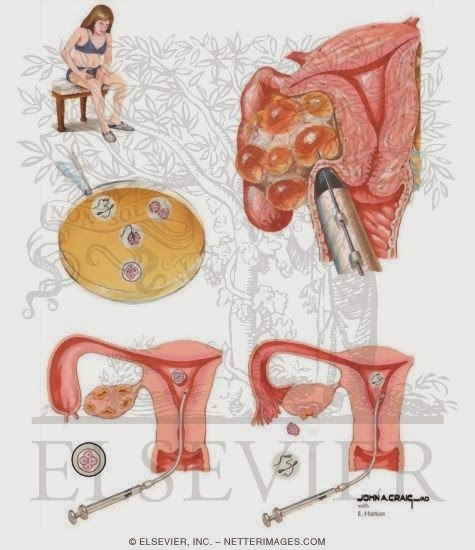
In Vitro Fertilization (IVF) is the process by which an egg is fertilised by sperm outside the body. Subsequently, the embryos considered to be the best are placed into the woman’s womb with the use of a plastic catheter.

At North Cyprus IVF, this process is followed through five basic steps;

1) Fertility testing and identifying the right type of treatment as well as the precise dose of medication.
2) Hormone supplements and stimulation of healthy egg(s) in the ovaries.
3) Collecting the eggs.
4) ICSI (Intracytoplasmic Sperm Injection); Combining the eggs and sperm in the laboratory for fertilization and embryo growth.
5) Embryo Transfer.

At North Cyprus IVF, we guarantee the highest quality treatment with the best quality standards at low cost.

For any more information including cost of our IVF ICSI treatment and medical details, please do not hesitate to contact us.

Source : http://goo.gl/kyMexH

www.donasyon.net
www.lowcostivf.net
www.gender-selection-ivf.co.uk
www.egg-donor-ivf.co.uk

Friday, May 23, 2014

Intra-Uterine Insemination (IUI)


Intra-Uterine Insemination (IUI) is a non-invasive, as well as a low cost fertility treatment among many fertility treatment options offered at North Cyprus IVF.  The main purpose of this treatment is to catch a higher possibility of fertilization through increasing the number of sperms that reach the fallopian tubes.

Mostly, couples with below indicated conditions prefer IUI;

Low sperm count.
Decreased sperm mobility.
Requirement of donor sperm.
A hostile cervical cases such as cervical mucus being quite thick
Sexual dysfunction

Simply put, it is the placement of a number of washed sperm directly into the uterus with the use of a catheter. Lab processes a semen sample and dispatches the sperm from the seminal fluid while the development of follicles are observed through a number of sonograms. Once the follicles reach the ideal level of growth, human Chorionic Gonadotropin (hCG) is injected in order to stimulate the release of eggs from the follicles. After 35 hours of this injection, processed sperm is injected into the uterus with a catheter.

This treatment increases the number of sperm cells that are put in the uterus and therefore brings a higher probability of conception.

http://www.lowcostivf.net/intra-uterine-insemination-iui-treatment-north-cyprus-ivf.htm#.U32-5NoayK0

www.donasyon.net
www.lowcostivf.net
www.gender-selection-ivf.co.uk
www.egg-donor-ivf.co.uk

Tuesday, May 20, 2014

Male Infertility - Causes and Investigation


Two main factors that affect infertility in men are either caused by problems making sperm or problems with the sperm's ability to reach the egg and fertilize it. In some cases, a man is born with the problems that affect his sperm. Other times, problems occur later in life because of illness or injury. Additionally some factors such as; alcohol, drugs, cigarette smoking, medicines, health problems may reduce sperm number and/or quality.

In order to understand the cause and severity of the problem, a semen analysis would show crucial parameters such as sperm volume and sperm count. However, having enough sperm cells is not sufficient. They also need to have a certain level of motility. Similarly, sperm morphology is another very important factor.

Sometimes, even if sperm production is not sufficient enough, minor surgical procedures like TESA and MESA can be used to retrieve sperm. In other cases where no sperm can be found or the quality is considerably low, donor sperm usage becomes the only alternative.

For more information please see IVF with Sperm Donation - http://goo.gl/DLRhel

www.donasyon.net
www.lowcostivf.net
www.gender-selection-ivf.co.uk
www.egg-donor-ivf.co.uk
Thursday, April 24, 2014

Gender Selection at North Cyprus IVF


Here are the important factors to consider when deciding which Gender Selection method will give the highest success :
- Age of the female
- Semen analysis of the male
- Hormone results of female

Once we have further information, we can identify the best method of treatment specific for you.

Our treatment options include :
IUI with Microsort®
IVF with Microsort®
IVF with PGD
IVF with PGD and Microsort®

For more information please visit : http://goo.gl/KYHI63

www.donasyon.net
www.lowcostivf.net
www.gender-selection-ivf.co.uk
www.egg-donor-ivf.co.uk

Wednesday, November 20, 2013

Options de sélection du sexe


Nous avons d'autres options de traitement de la sélection du sexe dans notre clinique , mais quand il s'agit de la sélection du sexe , quelques facteurs sont très importants lorsqu'il s'agit de déterminer quel type de traitement sera plus adapté à vos besoins. Il s'agit principalement de l'âge des patients, les taux d'hormones féminines doit être mesurée à un certain moment au cours d'un cycle menstruel, le sperme et les résultats de l'analyse de son mari .

Le profil de l'hormone de la patiente est plus important lors de l'évaluation de la réserve ovarienne et la qualité de l' oeuf qui reste. Comme l'âge vieillit, les réserves de l'ovaire ont aussi tendance à diminuer à un rythme plus rapide , ce qui affecte la qualité des ovocytes en conséquence. Par conséquent, si nous savons exactement ce type de réserve nous étudions , nous pouvons optimiser l'issue d'un cycle de traitement en calculant soigneusement la dose de médicament à administrer.

Il ya trois différents types de méthodes de sélection du sexe offerts à notre clinique :

1 - MicroSort IIU - moins invasive de tous les traitements de sélection du sexe . Cela est principalement offert aux couples dans leur 20s . L' échantillon de sperme du partenaire masculin est triée dans des cellules porteuses X et Y et le lot approprié est injecté intra -utérine de la grossesse avec l'enfant du sexe désiré . Cependant, il ya quelques points que vous devez savoir sur cette procédure:
- Le mécanisme de tri ne fonctionne que lorsque la concentration de spermatozoïdes est plus de 70 millions / ml dans l'éjaculat . Sinon , les résultats sont moins précis.
- MicroSort fournit 90 % des résultats précis pour une fille et 80% pour un garçon. Par conséquent, ce n'est pas une méthode fiable à 100 % de la sélection du sexe .
- MicroSort est utilisé aux côtés de l'IIU , qui est la méthode la moins invasive de la reproduction assistée . Chances de succès avec IIU sont toujours beaucoup plus faible par rapport aux traitements de FIV .

2 - FIV avec PGD : Sinon, il ya une option DPI (diagnostic génétique pré-implantatoire ), qui est une procédure de test génétique effectué une fois les embryons sont créés. Il nous permet d'identifier le sexe avec une précision de 99,9% ainsi que le dépistage de la plupart des maladies génétiques communs , pour s'assurer que votre bébé ne dispose pas d'une maladie génétique grave. Si la patiente est âgée de moins de 35 ans et a un profil hormonal en ligne avec son âge , cette méthode est généralement la méthode idéale pour la sélection du sexe .

3 . MicroSort FIV avec PGD : Une autre alternative est de combiner les deux méthodes . La combinaison des deux méthodes est généralement recommandé pour les patients âgés de plus de 35 ans avec des réserves ovarienne diminuée . Si la concentration du sperme du mari est dans les normes acceptables , alors MicroSorting le sperme fait en sorte que la plupart des oeufs seront fécondés dans des embryons du sexe désiré. D'autres tests DPI fournira une précision de 99,9% et veillera également à ce que les embryons qui seront transférés sont exempts de grands désordres génétiques . Si la patiente ne dispose que de quelques œufs de travailler avec , cette méthode nous assurer que nous serons en mesure de trouver un embryon ou deux qui est du sexe désiré avec l' intervention de MicroSort avant .


http://www.fivaletranger.com/

Thursday, September 5, 2013

Frequently Asked Questions


Is it legal to choose baby's sex?
Yes, as North Cyprus IVF clinic, we are able to offer gender selection IVF in line with the North Cyrus legal system. Even though gender selection is not allowed in most parts of Europe, having gender selection IVF treatment in North Cyprus is completely legal.

Is gender selection possible without IVF?
Yes, At North Cyprus IVF we are able to offer microsort with IUI (artificial insemination). Microsorting technologies allow for gender selection through IUI treatment. However, microsort is only about 75% accurate for a male child and about 90% accurate for a female child, therefore, combining microsort with PGD always results in a more accurate gender selection method.

Is there a 100% guarantee for success with gender selection IVF?
Even though there is no such thing as 100% in real-life sciences, we quote a 99% chance for accurate sex selection through PGD.

Can I use PGD for genetic screening?
Absolutely! PGD is not only for gender selection. With PGD testing, we can also screen for major genetic disorders associated with chromosomes X, Y, 13, 18 and 21 which are the causes of about 85% of all major genetic disorders.

Can I select the sex of my first child?
Even though at North Cyprus IVF, we recommend that gender selection is only performed for family balancing for second or third child, selecting the sex of your first child is also possible if you believe this is an appropriate family balancing act.

Do I still use medication for gender selection IVF even if I have no fertility problems?
Even if you have no fertility issues and you are able to conceive naturally, we will still need to put you on stimulation medication on order to obtain multiple eggs in the ovaries. This will allow us to fertilize multiple eggs, and perform the necessary genetic testing on them to identify the healthy embryos that are of appropriate sex for the embryo transfer.

What happens to the embryos that are unused?
You have the choice of freezing any unused embryos for future use. If you wish not to freeze them, the embryos are disposed.

www.donasyon.net
www.lowcostivf.net
www.gender-selection-ivf.co.uk
www.egg-donor-ivf.co.uk

Monday, September 2, 2013

Another Sweet Review

Dear North Cyprus IVF, 

Couldn't wait another 2 weeks to see my beautiful baby. So had a cheeky scan she is healthy with a perfect heartbeat and the boys loved seeing her! She was waving and kicking her legs. 

Thank you so much for giving me my baby girl.


www.donasyon.net
www.lowcostivf.net
www.gender-selection-ivf.co.uk
www.egg-donor-ivf.co.uk


Monday, July 15, 2013

What is MicroSort?

MicroSort is a scientifically proven preconception process that improves the chances that the baby you conceive will be of the desired gender.


Semen samples usually contain equal amounts of sperm carrying the Y chromosome (which will produce a boy), and sperm carrying the X chromosome (which will produce a girl).


The MicroSort process separates the sperm cells in a semen sample based on the chromosome they are carrying. The process results in samples containing significantly increased percentages of sperm that are carrying the desired (X or Y) chromosome.


The samples processed by MicroSort can be used in a wide variety of artificial reproduction techniques, including intrauterine insemination (IUI), in vitro fertilization (IVF), intracytoplasmic sperm injection (ICSI), and preimplantation genetic diagnosis (PGD), among others.


Only MicroSort laboratories have the technology to perform this precise sperm sorting procedure, and we offer this technology in collaboration with clinics and physicians around the world. The availability of MicroSort in specific locations is dependent upon local regulations.

Source : http://www.microsort.com/?page_id=319

www.donasyon.net
www.lowcostivf.net
www.gender-selection-ivf.co.uk
www.egg-donor-ivf.co.uk

Thursday, June 20, 2013

Cryopreservation


Oocyte Freezing
Recent advances in the In Vitro Fertilization process have now allowed us to successfully freeze, store and later thaw and fertilize cryopreserved human eggs. Oocyte cryopreservation is aimed at three particular groups of women: those diagnosed with cancer who have not yet begun chemoterapy or radioteraphy; those undergoing treatment with assisted reproductive technologies who do not consider embryo freezing an option; and those who would like to preserve their future ability to have children, either because they do not yet have a partner, are not ready to have a baby yet but would like to keep this option for future, or for other personal or medical reasons.

The egg-retrieval process for oocyte cryopreservation is the same as that for in vitro fertilization. This includes several weeks of hormone injections and hormonal contraception in order to stop ovulation, followed by more hormone injections to stimulate ovaries and ripen multiple eggs. When the eggs have matured, additional hormone is given and the eggs are removed with an ultrasound-guided needle through the vagina. The procedure is conducted under sedation. The eggs are immediately frozen.

Frozen eggs can be stored for as long as the patient wishes, but this must be stated precisely, otherwise, frozen eggs that are not used within a two-year period are discharged.


Embryo Freezing
Embryo Cryopreservation (embryo freezing) is the freezing of "excess" embryos for use in future IVF cycles. This option is often explored by couples undergoing IVF treatment where the excess embryos that will not be transferred into the uterus are frozen for future use if the IVF attempt fails. Even when the IVF attempt does not fail and the couple is able to conceive, the frozen embryos can be used for the second pregnancy. The major advantage to using cryopreserved embryos in future IVF cycles is that the female does not have to undergo ovulation induction, which also dramatically reduces medication cost. Success rates are variable depending on patient characteristics and embryo quality.
 

This could also be an option for couples who do not wish to get pregnant immediately but would like to prepare their embryos in advance for future use. This way, they can avoid lower success rates of conception at older age. 


www.donasyon.net
www.lowcostivf.net
www.northcyprusivf.com
www.gender-selection-ivf.co.uk
www.egg-donor-ivf.co.uk

Thursday, May 30, 2013

Microsort in North Cyprus


Microsort is a pre-conception sperm sorting technology developed by Genetics and IVF Institute of the United States. The technology became available through a clinical study where sperm was sorted into those that primarily produce girls and those that primarily produce boys. Through a series of studies, microsort was found to be 90% effective in gender selection for a girl and about 75% effective for gender selection for a boy. Microsort became available in Mexico first.

North Cyprus IVF clinic is proud to announce that Cyprus is going to be the second location in the world to offer Microsort, the pre-conception sperm sorting technology for gender selection for family balancing purposes. Microsort will be available through artificial insemination (IUI), through IVF and through IVF with PGD.

If the sperm separated through microsort is used in IVF treatment, the probability of having a female or a male child will be around 90% and 75% respectively. If microsort is coupled with PGD (pre-implantation genetic diagnosis) where the embryos formed after microsort are subjected to genetic screening both for gender and for certain genetic diseases. Using the two gender selection methods together both enable obtaining a good number of embryos of desired sex as well as screening for further genetic diseases and making sure almost 100% that the procedure will result in a pregnancy with a baby of desired sex.


As North Cyprus IVF, we continue to bring you the latest technology and highest standards in IVF treatment. Our difference is our success rates!


http://
http://bit.ly/13lLRNB
http://www.microsort.com/

www.donasyon.net
www.lowcostivf.net
www.northcyprusivf.com
www.gender-selection-ivf.co.uk
www.egg-donor-ivf.co.uk

Friday, May 24, 2013

Infertility and IVF


At North Cyprus IVF Clinic, a thorough investigation is called for when making an assessment of your treatment options. It is important that the cause of infertility is mostly known when planning for treatment. 


When natural conception methods fail to produce pregnancy, IVF becomes an option. In vitro fertilization (IVF) is a process by which egg cells are fertilized by sperm outside the womb, in vitro. IVF is a major treatment in infertility when other methods of assisted reproductive technology have failed. The process involves hormonally controlling the ovulatory process, removing ova (eggs) from the woman's ovaries and letting sperm fertilize them in a fluid medium. The fertilized egg (zygote) is then transferred to the patient's uterus with the intent to establish a successful pregnancy. The first "test tube baby", Louise Brown, was born in 1978. Initially IVF was developed to overcome infertility due to problems of the fallopian tube, but it turned out that it was successful in many other infertility situations as well. The introduction of intracytoplasmic sperm injection (ICSI) addresses the problem of male infertility to a large extent. (Male infertility consists of failure to produce sperm.)

For IVF to be successful it may be easier to say that it requires healthy ova, sperm that can fertilize, and a uterus that can maintain a pregnancy. At North Cyprus IVF, before starting to plan your treatment, we make sure all of these conditions are met.

IVF can be used for females who have already gone through menopause. The donated oocyte from a healthy young woman can be fertilized in a crucible. If the fertilization is successful, the zygote will be transferred into the uterus, within which it will develop into an embryo.

Treatment cycles are typically started on the third day of menstruation and consist of a regimen of fertility medications to stimulate the development of multiple follicles of the ovaries. In most patients injectable gonadotropins (usually FSH analogues) are used under close monitoring. Such monitoring frequently checks the estradiol level and, by means of gynecologic ultrasonography, follicular growth. Typically approximately 10 days of injections will be necessary. Spontaneous ovulation during the cycle is typically prevented by the use of GnRH agonists or GnRH antagonists, which block the natural surge of luteinizing hormone (LH).


When follicular maturation is judged to be adequate, human chorionic gonadotropin (hCG) is given. This agent, which acts as an analogue of luteinizing hormone, would cause ovulation about 42 hours after injection, but a retrieval procedure takes place just prior to that, in order to recover the egg cells from the ovary. The eggs are retrieved from the patient using a transvaginal technique involving an ultrasound-guided needle piercing the vaginal wall to reach the ovaries. Through this needle follicles can be aspirated, and the follicular fluid is handed to the IVF laboratory to identify ova. It is common to remove between ten and thirty eggs. The retrieval procedure takes about 20 minutes and is usually done under conscious sedation or general anesthesia.


In the laboratory, the identified eggs are stripped of surrounding cells and prepared for fertilization. In the meantime, semen is prepared for fertilization by removing inactive cells and seminal fluid. If semen is being provided by a sperm donor, it will usually have been prepared for treatment before being frozen and quarantined, and it will be thawed ready for use. The sperm and the egg are incubated together at a ratio of about 75,000:1 in the culture media for about 18 hours. In most cases, the egg will be fertilized by that time and the fertilized egg will show two pronuclei. In certain situations, such as low sperm count or motility, a single sperm may be injected directly into the egg using intracytoplasmic sperm injection (ICSI). The fertilized egg is passed to a special growth medium and left for about 72 hours until the egg consists of eight cells.


Monday, April 29, 2013

Gender Selection (PGD/MicroSort) Questions

Why do I need to get hormone tests done if I already have children?
The hormone tests are requested in order for the Dr. to better understand the quality and quantity of eggs and provide a personalized and detailed treatment for each individual patient.

Why do I need to have an ultrasound before I begin treatment?
The ultrasound is requested in order to make sure there are no ovarian cysts, polyps or anything else that might stand in the way of a successful IVF cycle.

What is the difference between Microsort and PGD?
Microsort is a pre-fertilization gender selection method which is used to sort sperm into male and female producing cells. It is about 80% accurate for selection of a boy and 90% accurate for selection of a girl. This way, we can make sure majority of your embryos to be fertilized will be of desired sex.
PGD, on the other hand, is a post-fertilization gender selection method where the embryos that are fertilized are subjected to a genetic analysis for sex selection. Even though PGD provides 99.9% accuracy for gender selection, and it also tests for majority of possible genetic disorders, making sure your child does not have them, it cannot guarantee that majority of your embryos will turn out to be of desired sex.
The best gender selection method is to combine microsort with PGD so that you can be sure that you will have a number of embryos which are of desired sex, anda re free of most genetic conditions.

What is the HCG trigger injection for?
This shot is for women who are using their own eggs and it helps release the mature eggs from the follicles and is usually done 35 hours before egg collection. It is the final step in assisting the maturation process and ensure the eggs are released from the follicles.
This is generally done in Cyprus but can be done before traveling in order to shortent the stay.

What does Gonal F do?
This is a follicle stimulating hormone (FSH) to help increase the number of growing follicles and their development. The dosage will be prescribed based on the inital hormone test results and varies from individual to individual. This is in fact one of the reasons this test is prescribed prior to starting treatment even if the patient has no infertility issues and has conceived children successfully before.

What does Menopur do?
Menopur is also used for follicle growth and development and contains follicle stimulating hormone as well as luteinising hormone (LH). This is a combination we prefer for women older than 35 years of age as quite a large number of studies, and our experience, suggest that LH can be a good supplement for optimizing egg quality for women over 35 years of age.

Can I travel with the injections?
The injections will need to be checked in with your luggage but there should be no problems traveling with them.

Do we have to use the accommodation offered in your packages?
Some patients decide they would prefer to select their own accommodation which is no problem for us. If you would like to still take advantage of the free ground transfers however, it is preferable that your hotel be in Nicosia (Lefkosa) North Cyprus.

Why do I need to have scans during medication use?
The scans for Egg Donation patients are requested in order to make sure that the lining of the womb is ready for the embryo transfer.
The scans for women using their own eggs (IVF with ICSI and Gender Selection/PGD) is to ensure the follicles are developing well before egg collection.
It is important to let us know the results of the scans so that we can adjust your treatment schedule and medication intake if necessary.

How are the injections done?
The Gonal F injections should be done subcutaneously either in the abdomen/stomach area, naval area or upper thigh where there is excess skin and fatty tissues. It is recommended to vary the injection site.
Please watch the videos below for preparing and administering the medication.
http://www.youtube.com/watch?v=OMklbInsQGk
http://www.youtube.com/watch?v=AHEyyB0IKNY

When are the eggs collected?
The eggs are generally collected on day 15 of the cycle after an ultrasound and the trigger injection.

When is the embryo transferred?
We usually prefer to transfer embryos on day 18 of menstrual period, which is the best implantation window. However, days 17-20 are acceptable embryo transfer dates. If patients are undergoing PGD analysis, then the transfer is delayed by 2 days until the embryos reach the blastocyst stage and are transferred on day 20. This of course might vary from patient to patient. We can transfer up to 3 embryos at our clinic.

What chromosomes are examined with PGD?
During the PGD biopsy we test chromosomes X, Y, 13, 18 and 21 which are causes of close to 90% of abnormalities.

What happens if we have left over embryos?
Many patients will choose to freeze the embryos in case they need it in the future, other patients will ask for the remaining embryos to be destroyed or used during our clinical studies so we can keep offering you the highest quality service through our own research and clinical studies.

When do I do the pregnancy test?
The pregnancy blood test is suggested 12 days after the embryo transfer.

What happens after a positive pregnancy result?
After a positive result you will continue to take medication for 11 weeks after the embryo transfer. Normally this will be Crinone Gel (Progesterone) and Aspirin. Prenatal vitamin supplements can be used for the entire pregnancy term.

www.donasyon.net
www.lowcostivf.net
www.northcyprusivf.com
www.gender-selection-ivf.co.uk
www.egg-donor-ivf.co.uk

Wednesday, December 19, 2012

Typical Treatment Plan for Microsort with IUI

Please note that the dosages and medication will be adjusted for each individual based on hormone results and age.

Cycle Day 1 - Let us know and start taking 1 tablet of Pregnacare per day.
Cycle Day 2 - Start taking 1 Clomid in the morning and 1 at night for 5 days.
Cycle Day 7 - Follicle tracking scan is done and we are informed of the results. You will start with 150IU (1/4 of a vial) GonalF injections.
Cycle Day 13 - First appointment at the clinic. If the follicles have reached 18mm, you will have the trigger injection 
Cycle Day 15 - Microsort with IUI (you can leave Cyprus)


www.donasyon.net 
www.lowcostivf.net 
www.northcyprusivf.com 
www.gender-selection-ivf.co.uk 
www.egg-donor-ivf.co.uk

Thursday, September 20, 2012

Facteurs infertilité féminine et la FIV


Endocrinologues, les médecins spécialisés dans l'infertilité, considérons un couple d'être infertile si:

-Le couple n'a pas conçu après 12 mois de contraception sans rapport sexuel si la femme est sous l'âge de 34
-Le couple n'a pas conçu après 6 mois de contraception sans rapport sexuel si la femelle est âgée de plus de 35 (la baisse la qualité des oeufs des femelles âgées de plus de 35 ans représentent la différence fondée sur l'âge que quand demander une intervention médicale)
-La femme est incapable de mener une grossesse à terme.

Quelles sont les causes d'infertilité chez les femmes?
Problèmes avec le compte d'ovulation pour la plupart des cas d'infertilité chez les femmes. Sans ovulation, il n'ya pas d'œufs à être fécondé. Certains signes indiquent que la femme n'est pas ovuler normalement inclure irrégulier ou absent des périodes menstruelles. Causes moins fréquentes de problèmes de fertilité chez les femmes comprennent:
- Trompes de Fallope bloquées à cause de la maladie inflammatoire pelvienne, l'endométriose, ou une chirurgie pour une grossesse ectopique
- Des problèmes physiques avec l'utérus
- Fibromes utérins

Quels facteurs augmentent le risque d'une femme de l'infertilité?
Beaucoup de choses peuvent affecter la capacité d'une femme d'avoir un bébé. Il s'agit notamment de:
- L'âge
- Stress
- Une mauvaise alimentation
- La formation sportive
- Le surpoids ou l'insuffisance pondérale
Fumer du tabac -
- L'alcool
- Les maladies sexuellement transmissibles
- Des problèmes de santé qui causent les changements hormonaux

Comment fonctionne l'âge influent sur la capacité d'une femme d'avoir des enfants?
Plus de femmes attendent que leur 30s et 40s pour avoir des enfants. En fait, environ 20 pour cent des femmes aux États-Unis ont maintenant leur premier enfant après 35 ans. Donc l'âge est une cause plus commune des problèmes de fertilité. Environ un tiers des couples où la femme est plus de 35 ont des problèmes de fertilité. Le vieillissement diminue les chances d'une femme d'avoir un bébé de la manière suivante:
- La capacité des ovaires d'une femme à libérer des œufs prêts à des baisses de fertilisation avec l'âge.
- La santé des ovules d'une femme diminue avec l'âge.
- Comme une femme vieillit, elle est plus susceptible d'avoir des problèmes de santé qui peuvent nuire à la fertilité.
- En tant que femmes âgées, elle risque d'avoir une fausse-couche augmente.

Combien de temps les femmes doivent essayer de tomber enceinte avant d'appeler leurs médecins?
La plupart des femmes saines âgées de moins de 30 ne devraient pas s'inquiéter d'infertilité à moins qu'ils aient essayé de tomber enceinte pendant au moins un an. À ce stade, les femmes devraient parler à leur médecin au sujet d'une évaluation de la fécondité. Les hommes devraient aussi parler à leur médecin si cela beaucoup de temps a passé.

Dans certains cas, les femmes devraient parler à leur médecin plus tôt. Les femmes dans leur 30s qui a essayé de tomber enceinte pendant six mois devraient parler à leur médecin dès que possible. Une femme a de chances d'avoir un bébé diminuent rapidement chaque année après l'âge de 30 ans. Donc obtenir une évaluation complète et opportune de fécondité est particulièrement important.

Certains problèmes de santé augmentent également le risque de problèmes de fertilité. Ainsi, les femmes avec les questions suivantes devraient parler à leur médecin dès que possible:

- Des règles irrégulières ou absence de règles menstruelles
- Des périodes très douloureuses
- L'endométriose
- Une maladie inflammatoire pelvienne
- Plus d'une fausse-couche

Peu importe votre âge, c'est toujours une bonne idée de parler à un médecin avant de commencer à essayer de tomber enceinte. Les médecins peuvent vous aider à préparer votre corps pour un bébé en santé. Ils peuvent également répondre à des questions sur la fertilité et de donner des conseils sur la conception.


www.donasyon.net
www.lowcostivf.net
www.northcyprusivf.com
www.gender-selection-ivf.co.uk
www.egg-donor-ivf.co.uk
www.fivaletranger.com


Friday, August 10, 2012

Microsort IUI


IUI (intrauterine insemination) treatment is generally recommended for patients in their 20’s who prefer a non-invasive alternative to IVF.

A mild dose of medication is prescribed for ovulation in order to increase the number of eggs that are produced. The male sperm is then sorted into X and Y with the Microsort procedure and inserted into the uterus once the eggs have matured and are ready for fertiization.

This method is 90% accurate for female and 75% accurate for male offspring.
As the eggs are not retrieved from the female, there is no biopsy or genetic testing performed to ensure 100% accuracy.

The success rates for IUI are about 5-30% depending on the age of the female and multiple tries might be required until pregnancy is achieved.


www.donasyon.net
www.lowcostivf.net
www.northcyprusivf.com
www.gender-selection-ivf.co.uk
www.egg-donor-ivf.co.uk