Showing posts with label north cyprus fertility clinic. Show all posts

Tuesday, June 24, 2014

Minimal Stimulation IVF - (Mini IVF) Treatment


Mini IVF is very similar to typical IVF in terms of procedures used during treatment. The main difference is that; while typical IVF aims to produce a certain amount off eggs for retrieval, mini IVF aims to produce only a few eggs of higher quality. In other words, mini IVF is performed to get a low count but higher quality of eggs through comparatively  weaker and/or lower doses of medications.

At North Cyprus IVF Centre this option of treatment is generally offered to patients; in their late 30s or early 40s who do not respond well to IVF stimulation protocols, has diminished ovarian reserves, are not willing to use high dose of IVF stimulation medication, whose oocyte quality has been compromised and FSH levels are high.

By the way, it should be noted that when women reach at a certain age, they face with depleted ovarian reserves as well as compromised quality. Therefore, given the fact that Mini IVF will only help to get slightly higher quality eggs, North Cyprus IVF center also recommends "IVF with Egg Donation" as a treatment option if getting a successful outcome is more important than using your own eggs.

If you need any further assistance, please feel free to get in touch with us.

Source : http://goo.gl/MkdqWU


www.donasyon.net
www.lowcostivf.net
www.gender-selection-ivf.co.uk
www.egg-donor-ivf.co.uk

Wednesday, June 11, 2014

North Cyprus IVF Centre


Life is nothing but the results of our choices. However, making the right choice depends on the information we acquire on our options. Thus, we want to inform you about numerous specific services presented at the North Cyprus IVF Clinic.

North Cyprus IVF was not only the first IVF clinic set up on the island but also the very first clinic to introduce egg and sperm donation programs as well as gender selection for family balancing. As the first ISO 9000 qualified clinic in Northern Cyprus, North Cyprus IVF has kept its leading role since 1998. Currently, we are proud to be the only clinic in the North with the ability to perform all the genetic testing and screening in house with no need of third party laboratories assistance.


North Cyprus IVF collaborates with many prestigious hospitals, scientists and agencies all around the world. Consequently, MicroSort ® technologies was brought to Cyprus in 2011.nIn fact, with the exception of America, our clinic is the very only patented clinic with this option all around the world.

Dr. Savas Ozyigit who has many publications including the chapter of "Egg Donation" in the first IVF textbook published in Turkey, is our award winning director with memberships of American Society of Reproductive Medicine and the European Society for Human Reproduction and Embryology.

Source : http://www.lowcostivf.net/northcyprusivf.htm


www.donasyon.net
www.lowcostivf.net
www.gender-selection-ivf.co.uk
www.egg-donor-ivf.co.uk

Thursday, May 29, 2014

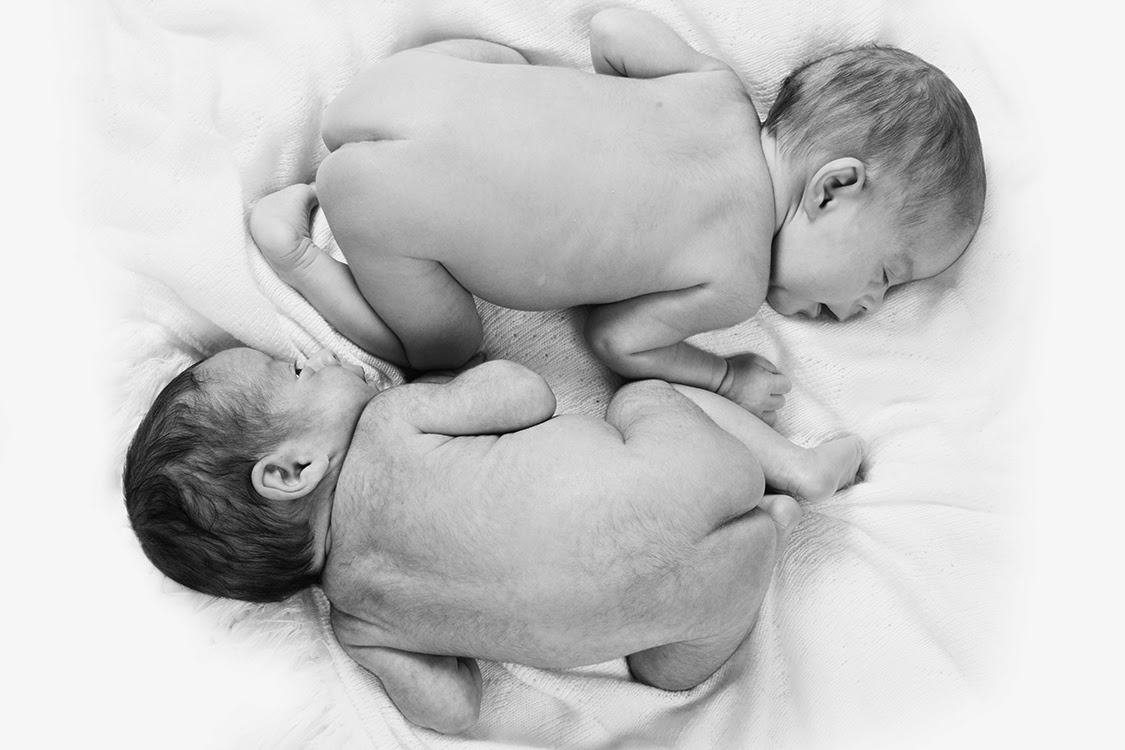
Our newest twins!


Enclosed is a photo of A. and L.. The clinic is welcome to use it. I had a difficult pregnancy and traumatic delivery but we all made it. After everything I went though, it was a success.  Please let Dr. Savas and everyone know at the clinic know how grateful we are. We are so happy. T. and I came to the clinic last summer & the procedure was done on July 1st.  I would love to write a testimony regarding all the positive things about the clinic, just guide me on the new website. Lots of Love to you and everyone at the clinic!

Z and T - United Kingdom


www.donasyon.net
www.lowcostivf.net
www.gender-selection-ivf.co.uk
www.egg-donor-ivf.co.uk

Thursday, May 15, 2014

Female Infertility - Causes and Investigation


 Most common causes of infertility in women are; absence of ovulation or insufficient quality of the eggs (oocytes) for fertilization. Additionally, many factors such as; age, stress, excessive use of tobacco and alcohol, sexually transmitted and infectious diseases, being overweight or underweight, athletic training, lack of the essential nutrients resulting from a poor diet and any factors leading to hormonal imbalances may act on a woman's fertility.

Aging has a crucial effect on a woman's fertility. After the age of 30, a woman's chance of having a baby decrease expeditiously each year. Mainly because the health of a woman's ovaries to release eggs and health of the eggs declines whereas, risks of having a miscarriage, as well as risks arising from a woman's personal health problems which may interfere with fertility increases. Therefore women in their 30's who have been trying to get pregnant for six months or longer should immediately consult their doctors for a complete fertility evaluation. As for most healthy women under the age of 30, should not worry unless they have been trying for at least a year.

Infertility testing and evaluation starts at your gynecologist's, where a sonogram will be used to find out the number of potential eggs in each ovary on the 2nd or 3rd day of your menstrual period. Besides, hormone testing will be useful in order to make an evaluation of your ovarian function including FSH, LH, Estradiol, Prolactin, TSH and AMH. Depending on the results, the most appropriate course of action will be decided.


www.donasyon.net
www.lowcostivf.net
www.gender-selection-ivf.co.uk
www.egg-donor-ivf.co.uk

Thursday, April 24, 2014

Gender Selection at North Cyprus IVF


Here are the important factors to consider when deciding which Gender Selection method will give the highest success :
- Age of the female
- Semen analysis of the male
- Hormone results of female

Once we have further information, we can identify the best method of treatment specific for you.

Our treatment options include :
IUI with Microsort®
IVF with Microsort®
IVF with PGD
IVF with PGD and Microsort®

For more information please visit : http://goo.gl/KYHI63

www.donasyon.net
www.lowcostivf.net
www.gender-selection-ivf.co.uk
www.egg-donor-ivf.co.uk

Thursday, April 17, 2014

Recommendation North Cyprus IVF

After our second visit in March 2014 to Northern Cyprus for our second attempt of IVF, our first IVF was with a different company in Cyprus

However, this IVF in March was outstanding cannot fault any of the staff, they were brilliant we were treated as individuals nothing was too much for the staff.

Their spoken English was brilliant including the Dr. Savas Ozyigit,   who tried to make me feel at ease in the Theatre on transfer day.

They have all been supportive, before and after transfer, sadly it failed but we will be back again to try, we felt like we were treated as people and not just a number like our first IVF try.

Our thanks go out to the Dr Ozyigit and  the theatre staff, and including Deedee for being there for my constant questions by email, and to Angie who nothing is and was too much for her, so thank you all, for your help and support.

I would like to say we met some wonderful people, and hope to keep in contact, see you soon for our next attempt.


Y & G, United Kingdom

www.donasyon.net
www.lowcostivf.net
www.gender-selection-ivf.co.uk
www.egg-donor-ivf.co.uk

Monday, March 31, 2014

Repeated (Recurrent) Miscarriages Further Investigation

Repeated (Recurrent) miscarriage is defined as the loss of three or more pregnancies. If you have experienced a single pregnancy loss, the odds are, you are not likely to have another miscarriage. However, if miscarriages are recurrent and are experienced in similar time frames of a pregnancy, further investigation will be needed. Recurrent miscarriages can have many possible causes. When a patient experiences several miscarriages, then it will make sense to get evaluated for the conditions below:

1- Genetic Factors
All couples with a history of recurrent miscarriage should have peripheral blood karyotyping performed. The finding of an abnormal parental karyotype will necessitate consultation with a geneticist. Certain genetic abnormalities can be screened for through PGD testing while others might require alternative avenues.

2- Cervical Weakness
This is a known anatomical cause of recurrent miscarriages. The cervix (or neck of the womb) is normally strong enough to remain closed throughout the course of pregnancy, in spite of the ever-increasing size and weight of its contents. In fact, it remains strong throughout pregnancy and near the time of labor, special hormones are released to make it softer so that it is dilated enough for a successful baby delivery. With an incompetent cervix, the cervix is anatomically weak, making it unable to carry the baby. Typically, miscarriage caused by an incompetent cervix occurs between sixteen and twenty-four weeks of gestation.

3- Endocrine Factors
The term endocrine hormonal factor in infertility refers mainly to the absence of ovulation, which results in disorders of the menstrual cycle (oligomenorrhoea, primary or secondary amenorrhea) and less commonly to the condition of luteinized unraptured follicle. In cases of oligomenorrhoea or amenorrhea satisfactory results can be achieved with conventional ovulation induction methods, avoiding the use of assisted conception techniques.

4- Immune Factors
These can include Antithyroid antibodies, Antiphospholipid syndrome, Alloimmune factors. There are tests that can be administered. In some cases, we find that suppressing your immune system response around the time of embryo transfer reduces the likelihood of an implantation failure and a very early miscarriage. 

5- Infective Agents
TORCH (toxoplasmosis, other [congenital syphilis and viruses], rubella, cytomegalovirus and herpes simplex virus) screening is unhelpful in the investigation of recurrent miscarriage. These infection diseases can cause implantation failures, therefore, IVF failures as well as pregnancy losses after implantation has occurred. Having tested for infectious diseases will rule out this possibility.

6- Inherited Thrombophilic Defects
Inherited thrombophilia defects, including activated protein C resistance (most commonly due to factor V Leiden gene mutation), deficiencies of protein C/S and antithrombin III, hyperhomocysteinaemia and prothrombin gene mutation, are established causes of systemic thrombosis. A thrombophilia gene panel needs to be evaluated to make a diagnosis.


www.donasyon.net
www.lowcostivf.net
www.northcyprusivf.com
www.gender-selection-ivf.co.uk
www.egg-donor-ivf.co.uk

Saturday, March 15, 2014

Boost your Fertility


Even though infertility may not be something that can be completely cured with what you eat or what you do, it may still be possible to boost your fertility and aid with your chances of success with natural conception or with infertility treatments. Since women are the ones to carry a pregnancy, they should be more careful about certain habits:

1- Weight Management: Watch your weight and make sure your BMI stays within a healthy range. Excess body fat is not only detrimental to your health, but can also trigger overproduction of certain hormones that can possibly disrupt ovulation. Similarly, being underweight result in underproduction of these hormones and your body may not produce enough of them for ovulation.

2- Eat Right: Make sure that you eat healthy and that you receive enough protein, iron, zinc, folic acid and Vitamin C. Deficiency in these nutrients have been associated with variations in menstrual cycles as well as miscarriages. Folic acid is especially important during pregnancy for the neural development of your baby. If your busy schedule does not allow you to measure precisely what nutrients are in your body, it will make sense to receive a daily tablet of "one a day" vitamins.
Another very important tip to know about boosting your fertility is eating more alkaline. The more acidic the body's environment, the more difficult it us for the sperm to complete its journey and reach the egg for fertilization. Sperm survival is dependent on the correct pH balance. Therefore, avoid foods and drinks that are too acidic and opt for a more alkaline diet.

3- Avoid drugs, cigarettes and excessive alcohol consumption. They are not only detrimental to your health, but toxins in cigarettes and drugs can damage your eggs, negatively affect the fertilization and implantation processes and can contribute to aging of your ovaries. Excessive alcohol consumption has been linked to altered levels of estrogen, which can cause implantation failures.

4- Avoid Stress: Clinical studies indicate that women under stress and psychological distress are less likely to conceive. There is no single prescription for stress management. You should do whatever works for you. Reading a book, yoga, meditation, short weekend getaways, writing your own book! are some examples.

5- Have sex! Regular intercourse have been shown to help with more predictable cycles and normal ovulation. Having intercourse at least once a week will help keep things in balance...

6- Make sure your partner stays healthy as well! The same things that can affect your fertility are likely to affect his fertility as well. Therefore, heavy smoking, excessive drinking anf eating unhealthy are never a good idea for anyone! It has been shown that receiving Vitamins C, E and Selenium are associated with production of healthier sperm. 


www.donasyon.net
www.lowcostivf.net
www.gender-selection-ivf.co.uk
www.egg-donor-ivf.co.uk

Wednesday, March 12, 2014

Infertility Testing & Interpreting Test Results


Infertility testing can be very different for different patient groups. For instance, if you have been trying to conceive for some time without success and have had no prior testing and/or investigation done, then the starting point will be the following:

For female partner:
- A sonogram will need to be performed on day 2 or day 3 of her menstrual period. This sonogram will be indicative of the number of antral follicle count (potential eggs for ovulation) and it will give your gynecologist a chance to observe if there are any problems such as cysts in the ovaries, or polyps/fibroids in the uterus/cervix that can possibly interfere with a successful pregnancy process.
- On the very same day, FSH, LH, Estradiol, Prolactin, TSH and AMH hormone tests will need to be administered to make an assessment of the ovarian function. Each of these hormones reflect a different aspect of your fertility. Our specialists at North Cyprus IVF will evaluate your test results and provide a comprehensive feedback on your test results.

For male partner:
- A semen analysis will need to be performed according to WHO 2010 Criteria, as explained in the "Causes of Male Infertility" section.

For couples who have had their initial testing and perhaps have been through a round of fertility treatment will need further investigation. Based on the problems or the lack of problems that may have been observed in initial testing, the following will be investigated:
- A hysterosalpingography for a thorough investigation into the tubes and the uterus
- Infectious disease screening for both partners including Toxoplasmosis, CMV and Chlamydia for the female partner. Sometimes a small infection can cause your body to reject embryo implantation and therefore prevent you from getting pregnant. A short cure of antibiotherapy can sometimes be a solution to a long-suffered infertility problem.
- A karyotype analysis for chromosome testing. If one of the partners suffers from an abnormal karyotype, a genetic problem may be transferred to the offspring. The nature and the severity of the problem will be indicative of what types of measures should be taken.

For couples with repeated IVF failures and/or repeated miscarriages, in addition to the tests mentioned above, female thrombophilia testing will be in order including the following:
MTHFR C677T
MTHFR A1298C
Factor II
Factor V Leiden
PAI 1
Thrombophilia defects can potentially cause blood clotting problems, where blood clots can get into the placental circulation and stop your baby's heart, therefore, resulting in a miscarriage. Thrombophilia defects have also been identified with implantation failures.

This is not a comprehensive list of infertility testing and we may ask for different tests depending on your unique history of infertility.


www.donasyon.net
www.lowcostivf.net
www.gender-selection-ivf.co.uk
www.egg-donor-ivf.co.uk

Thursday, February 20, 2014

Is there anything I need to do after the embryo transfer to help become pregnant?


There will be specific guidelines handed to you after your embryo transfer. In this document, you will find information on what to do and what not to do to help the process. Once the embryo transfer has been performed, there is not much to do to assist with conception. However, there are things that can be done in order not to jeopardize the process and to make sure you don’t do things that can negatively impact embryo’s ability to implant. These have to do with your diet and physical activities that require strength. Otherwise, you will be able to continue your daily chores without any interruption, but will simply take it down a notch.


www.donasyon.net
www.lowcostivf.net
www.gender-selection-ivf.co.uk
www.egg-donor-ivf.co.uk

Tuesday, February 11, 2014

How long will I need to be in Cyprus for?


We try to minimize then length of stay for our traveling patients as we realize how difficult it can be to take time off work, family or other commitments. This is precisely why we have established links with reputable clinics abroad for preliminary testing and monitoring so that you are not required to come to Cyprus for the entire treatment. Given that you are able to carry out the preliminary work locally, you will only need to visit us for a total of eight (8) days. This will be the amount of time required for your final scan, trigger injection, egg retrieval, ICSI for fertilization, embryo biopsy and genetic screening and the final embryo transfer.


www.donasyon.net
www.lowcostivf.net
www.gender-selection-ivf.co.uk
www.egg-donor-ivf.co.uk

Saturday, February 8, 2014

How do I administer the medication?


Administering medication is relatively easy given that the injections to be used are sub-cutaneous injections and are administered right under the skin. These injections are painless and easy to self-administer. Please refer to the link below for a complete explanation on how to mix and arrange the dose of your medication as well as how to administer it.
Once you watch this video, please contact us for any questions you may have.
You will notice that once you retrieve the necessary amount of medication from the vial, you will have some left over medication in the vial. You will store this in a refrigerator and use the next day.

For instance, a vial of Gonal-F 450 iu will give you 600 units of medication once mixed. If your daily dose is, say, 300 iu, you will use half of it and store the other half for the next day.


http://www.youtube.com/watch?v=nr6-3vJ4SpA


www.donasyon.net
www.lowcostivf.net
www.northcyprusivf.com
www.gender-selection-ivf.co.uk
www.egg-donor-ivf.co.uk

Friday, November 29, 2013

Tips for Conceiving: 6 Must-Try Baby-making Ideas


Trying to conceive a baby can be tougher than it sounds.  Making a baby should be as simple as having sex, but that’s not always the case.  If you’ve been trying to conceive and haven’t gotten pregnant, here are must-try baby-making ideas to help you get pregnant right away.

Use an ovulation prediction kit 
If you’ve been winging it or just having sex when you feel like the time is right, you may not be having intercourse during a time when you can conceive.  Timing intercourse close to ovulation is one of the best ways to get pregnant.  An ovulation prediction kit will tell you approximately when you will ovulate.  Once you get a positive result, you can expect to ovulate in the next day or two.  If you start having sex as soon as you get a positive result and continue for 2 or 3 days after, you will have a greater chance of conceiving.

Pick up the pace when you feel aroused or wet 
Just before ovulation you will start to feel wetter.  Your cervical mucus increases and becomes stretchy, thin, and slippery.  It will look similar to egg-whites.  If you notice egg-white mucus or you feel wet, it could likely mean that you are approaching ovulation.  Sexual arousal and an increased sex-drive are also signs that you are fertile.  Women often feel more aroused when they ovulate due to hormonal changes that happen around that time.

Aim for the "O"
Sometimes couples lose that loving feeling when they are trying to conceive, but enjoyable sex may be the key to getting pregnant.  There is some evidence that female orgasm can improve your chances of getting pregnant.  The debate is out on this, but the theory is that when a woman has an orgasm, the rhythmic contractions help to suck the sperm up into the uterus.

Stay in bed 
What goes up, might come down… and out.  This is the rationale behind staying in bed after sex.  Some women will even prop a pillow under their hips to help keep sperm inside the vagina longer.  The pillow may not be necessary, but it can’t hurt.  Staying in bed for 20 minutes after intercourse will help ensure that sperm have had time to travel towards the fallopian tubes and will help keep everything from leaking back out.

Try the Sperm Meets Egg Plan
The sperm meets egg plan is an easy to follow plan that makes timing intercourse easy.  This is how it works.  After your period, starting on cycle day 8 you should try to have sex every other day.  On cycle day 10, you should start testing with an ovulation test kit every day until you get a positive result.  Once you get a positive test you should try to have sex for 3 days in a row.  Then skip one day.  Then have sex again.

Have sex 2 days before you ovulate
Researchers have evaluated the timing of intercourse with pregnancy outcomes and what they discovered was that having intercourse two days before ovulation was the best time to get pregnant.  This is likely because of a process known as capacitation.  Capacitation takes place once sperm enter a woman’s body.  When sperm enter the reproductive track they go through a series of changes that make them more mobile and allow them to penetrate the egg.  This process takes up to 10 hours.  Thus, having sex a couple of days before ovulation, ensures that there are ready-to-fertilize sperm available when the egg is released during ovulation.


Read more: http://www.justmommies.com/getting-pregnant/boost-your-chances-getting-pregnant/tips-for-conceiving-6-must-try-baby-making-idea?slide=1#ixzz2lr9sVa8h


www.donasyon.net
www.lowcostivf.net
www.gender-selection-ivf.co.uk
www.egg-donor-ivf.co.uk

Wednesday, November 27, 2013

IVF+ICSI Questions


1- How do I know if IVF treatment is right for me?
This is something that would be decided with an IVF specialist. If you have been trying to get pregnant for at least a year without protection and have been unsuccessful, then it may be time to have some tests done. Infertility can be either caused by a male factor or a female factor or in some cases, caused by both.
For the male partner, it makes sense to have a semen analysis in order to check for sperm quality: sperm count, sperm motility and morphology. The semen analysis will indicate if there is any reason to suspect a male factor infertility.
For the female partner, the first round of testing would involve FSH, LH, Estradiol and Prolactine hormone tests. These tests are the indicators of the ovarian reserves and egg quality.
Even after the first round of testing, there are considerations to be made such as whether further testing would be needed, or whether IUI would be consulted prior to an IVF treatment.
  
2- Which tests do I need to have done prior to IVF treatment?
Your gynecologist will be able to make a better assessment based on your initial consultation. First, an ultrasound scan and a round of hormone testing will be called for. For the male partner, a semen analysis will be required. These are the standard tests. If your doctor believes that further infertility  testing is necessary, then additional tests can be done.
Apart from infertility testing, IVF clinics usually ask for infectious disease testing as well. These are Anti-HIV, Anti-HCV, HbsAg, VDRL, Rubella IgG and sometimes CMV IgG. Some clinics require more tests than others, so it’s best to consult with the clinic which tests to have done prior to your IVF treatment.

3- How do I know if I can use my own eggs in IVF treatment?
Your hormone test results (especially FSH) will be indicative of the ovarian reserves. The hormone tests will allow your doctor to make an assessment of your ovarian reserves and estimate your likely response to a stimulation cycle.
Even though different clinics have different cut-offs for hormone levels, most clinics will not recommend using your own eggs with an FSH level higher than 15. In some cases, where the FSH test is inconclusive, the AMH test might be consulted.

4- What is the age limit for IVF treatment?
The age limit for IVF treatment varies from clinic to clinic and from country to country. Most clinics will not treat patients aged 45 and above while some will have an age limit of 50. Our age limit for IVF treatment is 45.

5- What does a high FSH result suggest?
Women are born with a set number of eggs. As they age the number and quality of eggs decrease. Basically FSH goes up in response to a negative feedback loop. Meaning as a woman's eggs start to diminish in quality or number, her body will in turn make more FSH to compensate for this loss. The egg itself communicates with the women's body to tell it to make certain hormones. So testing a woman's hormone levels can help determine the quantity and quality of eggs a woman has.. Anything higher than 14/15 will put the patient at a disadvantage in her response to stimulation medication. By measuring the amount of FSH, your doctor will be able to suggest specific treatments (such as in-vitro fertilization or intrauterine insemination) that could help you to conceive. 

6- How do I interpret my hormone test results?
Usually, the specialist who asks you to get hormone testing will do the interpretation for you. However, what is important is to get the hormone tests done on day 3 of your menstrual period so that the results are most accurate. Most labs will give you a report with your hormone levels and reference values so that you will know whether your hormone levels are in the normal acceptable range or not.

7- Can I have IVF treatment with PCOS?
Absolutely! In fact, some women can get pregnant naturally even if they have PCOS. Most women change their diets and living styles as a permanent treatment method, and in most cases, these lifestyle changes can have a positive impact of fertility.
Women with PCOS have difficulty ovulating properly, so you may have to use medication to stimulate ovulation and to regulate your menstrual periods. Your doctor may also prescribe injections such as an HCG shot to further stimulate your ovaries. However, if these changes do not allow you to fall pregnant naturally, or if you have not responded well to conventional medication, the IVF might be called for.

8- What is the IVF success rate for women with PCOS?
As long as the patient with PCOS is subjected to a successful stimulation cycle, and as long as some good quality eggs are retrieved, women with PCOS will have no problem falling pregnant. In fact, the rate of success will not be that much different from women without PCOS.

9- How does endometriosis affect IVF treatment?
The most important handicap of women with endometriosis is reduced egg quality. As a consequence, the rate of fertilization is much lower compared to women with no fertility issues. Therefore, the main problem is creating of the embryo rather than implantation. If you have gone through a few IVF cycles without success due to fertilization failures, the most sensible option might be to opt for egg donor IVF.

10- What is the IVF success rate for women with endometriosis?
Endometriosis is a condition in which the tissue endometrium, normally lining the uterus, grows on different organs outside the uterus.
In severe cases, formation of connecting tissues around endometriosis near the Fallopian tubes or ovaries may reduce fertility. Endometriosis can affect egg quality substantially, therefore, reducing the likelihood of a woman of becoming pregnant with her own eggs. In some cases, IVF using an egg donor is the only solution for women with chronic endometriosis.

11- Does IVF medication have any side effects?
There is no consensus on the possible side-effects of IVF medication. For quite a long time, IVF medication were thought of possibly causing ovarian cancer, but recent studies provide evidence that there is no direct link between IVF medication and cancer.
If side effects are experienced, they are usually very mild and short-lasting. Some patients experience feeling emotional and/or bloated. These are directly related to the changing hormone levels within the body.

12- How many eggs are usually retrieved in an IVF cycle?
This depends on your hormone levels, ovarian reserves, and how well you react to stimulation medication. An optimal stimulation cycle should result in an average of 10-12 good quality eggs to be fertilized. This allows the patient to have an optimal number of embryos (depending on sperm quality) to transfer and perhaps to freeze for future cycles.

13- How many embryos are put back in an IVF treatment?
This would depend on the IVF laws of a country. Some countries only allow for a single embryo transfer, while some countries have different numbers for different age groups. At younger ages, you are more likely to succeed with a lower number of embryos transferred; however, as you get older, it might be necessary to transfer multiple embryos in order to achieve pregnancy.
While single embryo transfers reduce the chances of IVF success, multiple embryo transfers increase the likelihood of a multiple pregnancy, therefore, you should plan carefully when you get to that stage in your IVF treatment. At North Cyprus IVF, our embryo transfer limit is 3 embryos.

14- What happens to unused embryos after the treatment?
Most clinics will offer you the option to freeze any unused embryos for future use if you have a sufficient amount of unused embryos of good quality. You will be able to have your unused embryos frozen for future cycles at a small fee. This will give you the opportunity to have future IVF attempts with minimal preparation and costs.
If the clinic does not offer cryopreservation (freezing), or if you do not want to have your embryos frozen, they are usually disposed of, or are used in clinical trials. The IVF specialist would make this clear prior to treatment.
At North Cyprus IVF, we offer our patients the option of freezing any unused embryos they have for future use.

15- Semen analysis shows zero sperm count, can we try IVF?
Even though a semen analysis may indicate a zero sperm count, it might be the case where there are live sperm cells in the testes. This can only be identified through minor surgical procedures like TESE/TESA/Micro-TESE and the like. These procedures are used to surgically remove a piece of tissue containing sperm cells. If there are live sperm cells, they will be used in IVF treatment along with ICSI to assist the sperm with fertilization.
In cases where these surgical procedures yield no results, IVF using a sperm donor becomes the only viable option.

16- I have reduced ovarian reserves, what type of treatment is right for me?
There is no single answer to this question. There are different levels of reduced reserves. You can have sub-optimal reserves, meaning you could be producing sufficient amount and quality of eggs with a good stimulation cycle, or you could be pre-menopausal, suggesting a very low chance of success.
An IVF specialist will typically ask for your hormone test results and make an assessment accordingly. Based on your hormone levels, (s)he will be able to prescribe you the right mode of treatment and the right dose of medication for the most efficient stimulation.


www.donasyon.net
www.lowcostivf.net
www.gender-selection-ivf.co.uk
www.egg-donor-ivf.co.uk

Friday, November 15, 2013

Gender Selection Options


We do have alternative gender selection treatment options at our clinic, but when it comes to gender selection, a few factors are very important when determining which type of treatment will be more suited to your needs. These are mainly  the age of the female patient, hormone levels to be measured at a certain time during a menstrual cycle, and the husband's semen analysis results.

The hormone profile of the female patient is most important when making an assessment of the ovarian reserve and the remaining egg quality. As age gets older, the ovarian reserves also tend to diminish at a faster pace and this affects the quality of the oocytes accordingly. Therefore, if we know exactly what type of a reserve we are looking at, we can optimize the outcome of a treatment cycle by carefully calculating the dose of medication to be administered.

There are three different types of gender selection methods offered at our clinic:

1- MicroSort IUI – Least invasive of all gender selection treatments. This is mostly offered to couples in their 20s. The male partner’s semen sample is sorted into X and Y bearing cells and the appropriate batch is injected intra-uterine for pregnancy with the child of desired sex. However, there are a few points that you should know about this procedure:
- The sort mechanism only works when the sperm concentration is more than 70 million/ml in the ejaculate. Otherwise, results are less accurate.
- MicroSort provides 90% accurate results for a girl and 80% for a boy. Therefore, it is not a 100% accurate method of gender selection.
- MicroSort is used alongside with IUI, which is the least invasive method of assisted reproduction. Success chances with IUI treatment are always much lower compared to IVF treatments.

2- IVF with PGD: Alternatively, there is a PGD option (Pre-implantation genetic diagnosis) which is a genetic testing procedure done once the embryos are created. It allows us to identify the gender with 99.9% accuracy as well as screening for most common genetic disorders, making sure your baby does not possess a serious genetic condition. If the female patient is younger than 35 years of age and has a hormone profile in line with her age, then this method is usually the ideal method for gender selection.

3. MicroSort IVF with PGD: One other alternative is to combine the two methods. Combination of the two methods is usually recommended for patients older than 35 years of age with diminished ovarian reserves. If the husband's sperm concentration is within acceptable standards, then MicroSorting the sperm makes sure that most of the eggs will be fertilized into embryos of desired sex. Further PGD testing will provide a 99.9% accuracy and will also make sure that the embryos that will be transferred are free of major genetic disorders. If the female patient has only a few eggs to work with, this method will make sure we will be able to find an embryo or two that is of desired sex with the prior MicroSort intervention.


Wednesday, October 30, 2013

Hormone Testing Before Traveling to Cyprus

The first step in the IVF process would be to have the following hormone tests done on days 2-4 of the menstrual cycle, 1-2 months before you wish to proceed : 

FSH
LH
E2
Prolactin

Once the treatment begins, we will ask that you have 2 follicles tracking scans on cycle day 7 and cycle day 9.

Where can you have these done?

Spain

Madrid:  info@fivcenter.com

France

Paris : Dr. Celine Davy +33 1 43 80 28 05

Germany 

Berlin : Fertility Center Berlin. Dr. Anette Siemann info@fertilitycenterberlin.de

Netherlands

Amsterdam :  info@geslachtskeuze.nl 

United Kingdom

London : The Birth Company (http://www.thebirthcompany.co.uk/) Dr. Amin Gorgy (http://www.fertility-academy.co.uk/about-us/dr-a-gorgy/)

Midlands : Cherish UK http://cherish-uk.com/

Sweden

Stockholm : Fertilitetslaboratoriet Dr. Gabor Sebestyen +46 08 585 87 504

Please do not hesitate to contact us for further information : northcyprusivfcenter@gmail.com


www.donasyon.net 
www.lowcostivf.net 
www.gender-selection-ivf.co.uk 
www.egg-donor-ivf.co.uk

Thursday, September 12, 2013

Testimonial from Switzerland


We went to North Cyprus IVF in February 2013 . I am menopaused. The miracle happened: I got pregnat but unfortunalty only for 1 month: miscarriage. We want to say thank you to Amy for her efficiency. We have been impressed by the professionalism, the efficiency and the kindness of everybody at North Cyprus IVF! At each step of the process, everything was clearly explained and all our requests, questions have been answered. From the bottom of our heart big thanks to Mrs. Angie Ali, Dr. Savas Ozyigit, Dr. Idil Aslan and all the staff included Mr. Niasi, the driver. We recomend the clinic for its professionalism and compassionate environment. For the accomodation, we suggest the Golden Tulip hotel very close to the clinic.
ALI, Switzerland


www.donasyon.net
www.lowcostivf.net
www.gender-selection-ivf.co.uk
www.egg-donor-ivf.co.uk

Thursday, July 25, 2013

Another Lovely Review!


Dear North Cyprus IVF Team,

So sorry this email has taken so long to write but we have been
busy!!

We came to see you in May 2012 for treatment and we did
let you know after our test that we were expecting twins We are
delighted to tell you that on 20/12/12 Elouise and Ethan were born.
They arrived seven weeks early and were in the special care unit for
seven weeks. Elouise was born at 4lb 6oz and Ethan was 3lb.

Both had a few initial health issues but we are pleased to say that all
have been resolved. They are now 14lb 12oz and 15lb 5oz respectively!

What can we say!! Words are not enough but please say a massive
thankyou to the whole team led by Dr Savas and Dr Idil. We will be
eternally grateful to you all. You are all amazing.

We have attached one photo that includes us to jog your memory as you
must see so many people. There is one when the twins were first born
and another more recent one.

Wishing you all peace and happiness.

THANK YOU


P and T, S (United Kingdom) 


www.donasyon.net
www.lowcostivf.net
www.gender-selection-ivf.co.uk
www.egg-donor-ivf.co.uk